Muthurajawela Wetland
A coastal ecosystem that is
biologically diverse.
A Bird watches paradise &a Photographers dream
A home of many water birds and aquatic bio diversity of fauna.
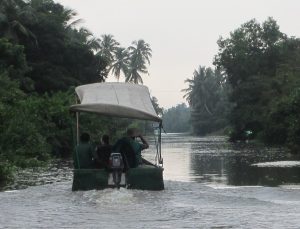
This is a good place for bird watchers and botanists and plant enthusiasts as well as photographers. Sightseeing boat tours are available.
The staff of the Muthurajawela Marsh Centre will accompany every tour to avoid serious harm to the marsh ecosystem.
Best time to go:
During the dry season – November to April. Clear morning skies ideal for bird watching. Migrant birds also come during this period.
Location
Muthurajawela Marsh Centre, 25 – 30 kilometers by car from Colombo on the Colombo-Negombo road. close to Hendala. Aprox a 45 minute drive from Colombo.
Best take a car as there is no transport from the main road to the Muthurajawela Marsh Centre.
About Muthurajawela Wetland
Muthurajawela was a rich rice growing area in the Negombo lagoon, but canals were built by the invaders of the island, in the 15th Century by Portuguese, Dutch and British, for transportation purposes. With the construction of these canals, sea water began to flow in during high tide and the rice fields were ruined.
However, over several centuries Muthurajawela became the biggest saline wetland. A coastal ecosystem that is biologically diverse. It became the home of many water birds and aquatic bio diversity of fauna.
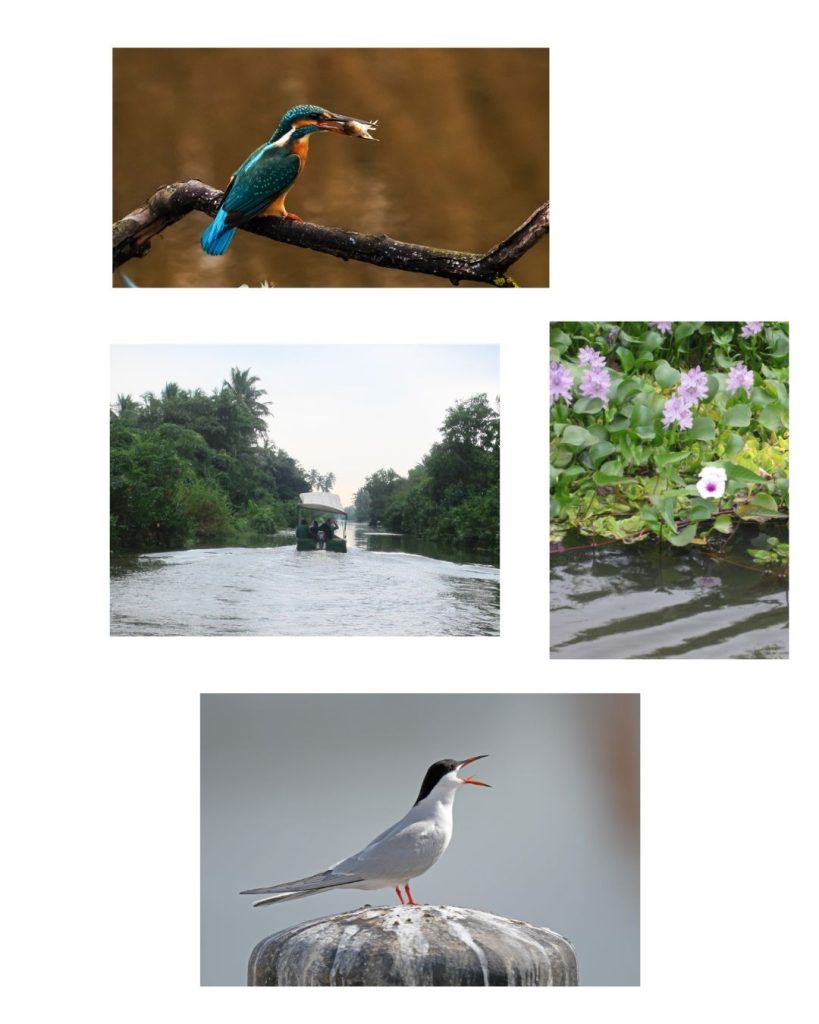
Many species of birds, flora, fish , butterflies reptiles and mammals could be found here. Also in the area where the lagoon meets the sea, several traditional fishing nets can be seen.
You can also see traditional fishing boats tied to the sides of the lagoon and the daily life of the people who live around it. The common crow is always around waiting for a morsel of food or fish.
Birds
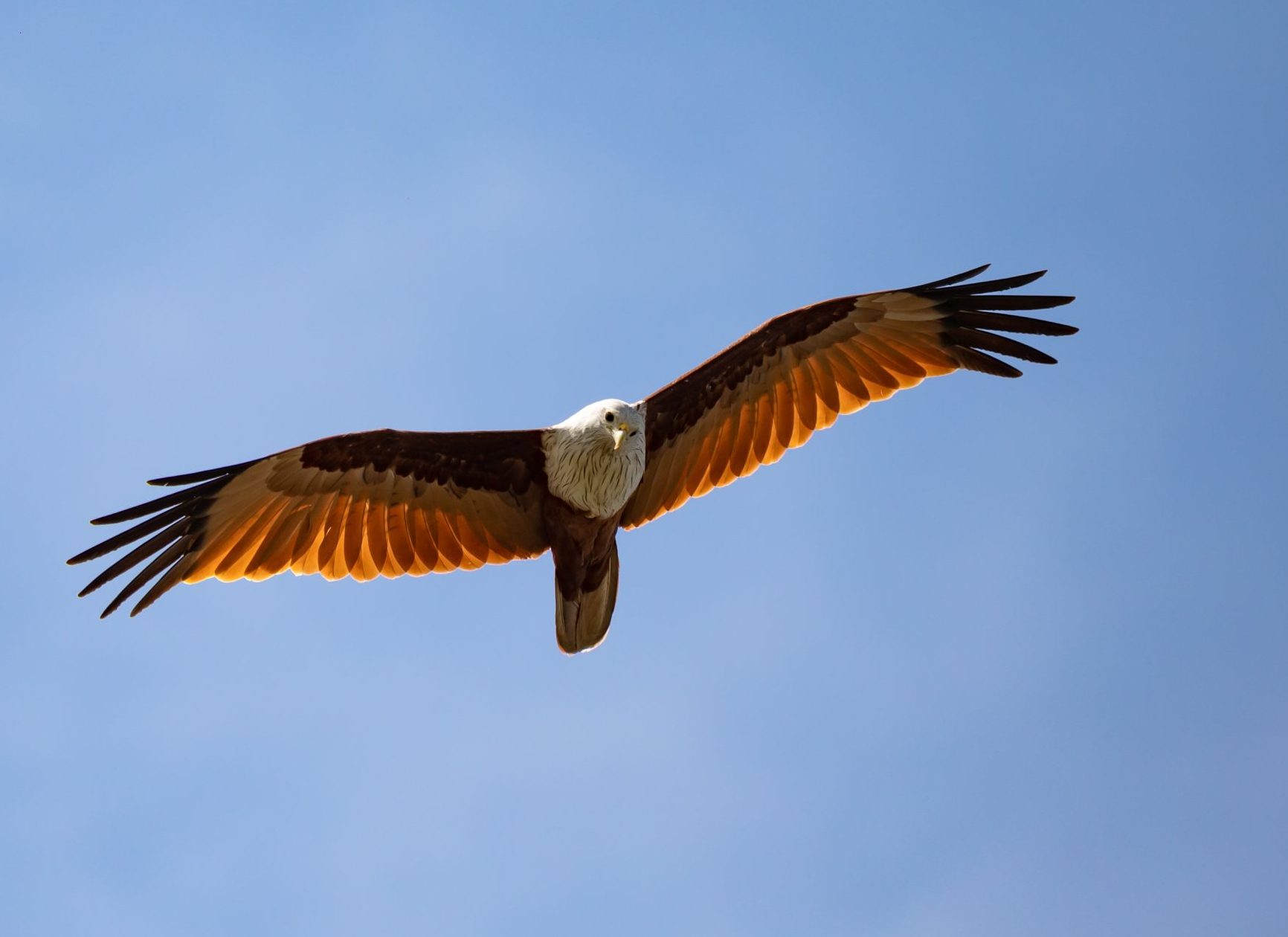
There are 102 species of birds found here at Muthurajawela. It is also a very important breeding habitat of many aquatic birds. There can also be seen the birds of prey circling over head.
Click on the buttons below to see the list of birds that can be seen here.
Fish
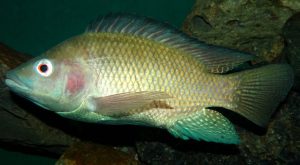
There are 40 species of fish of which there are 5 endemics, 5 nationally endangered, and 4 exotic species.
Thilapia (Sarotherodon mossambicus), Pearl Spot (Etroplus surantensis) and Dwarf Panchax (Aplocheilus parvus).
There are also freshwater and migratory species which comes here to reproduce.
Level-finned Eel, Red Snapper, Big-eye Trevally,Common Glass fish, Tarpon and Silver Bleddy
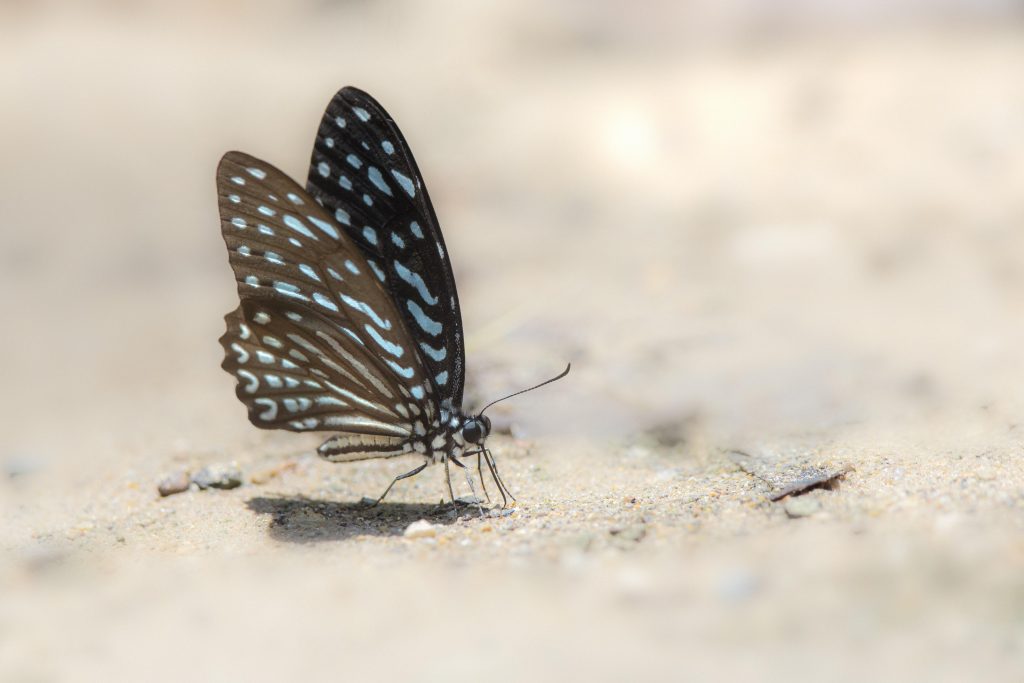
Butterflies
There are 48 species of butterflies and 22 species are dragonflies
The butterflies you can see – Blue Glassy Tiger, Glassy Tiger and Tailed Jay.
Reptiles
There are 14 species of reptiles.
Water Monitor,
Common Garden Lizard
Two species of Geckos.
The Start Tortoise is also found although it us a dry zone species.
There are 14 species of amphibians including 4 endemics, 5 nationally endangered such as the Common Toad and the Six-toed Green Frog.
