The Currency Museum,
Colombo, Sri Lanka
This museum is run by the Central Bank of Sri Lanka and located on the second floor of the Central Point Building at No: 54, Chatham Street, Fort, Colombo. It is opened from 9 AM to 5 PM and admission is free. It is a Must see for those having children but even for us adults it is a place not to be missed.
Written in November 2024
During the last School holidays, I decided to take my 14-year-old son to the Currency Museum on Chatham Street, Colombo, Sri Lanka. I was really not expecting much but since my son was a coin collector I thought this was an ideal way to keep him occupied during the holidays. Also as a former employee of the Central Bank I was interested to see what this museum was like.
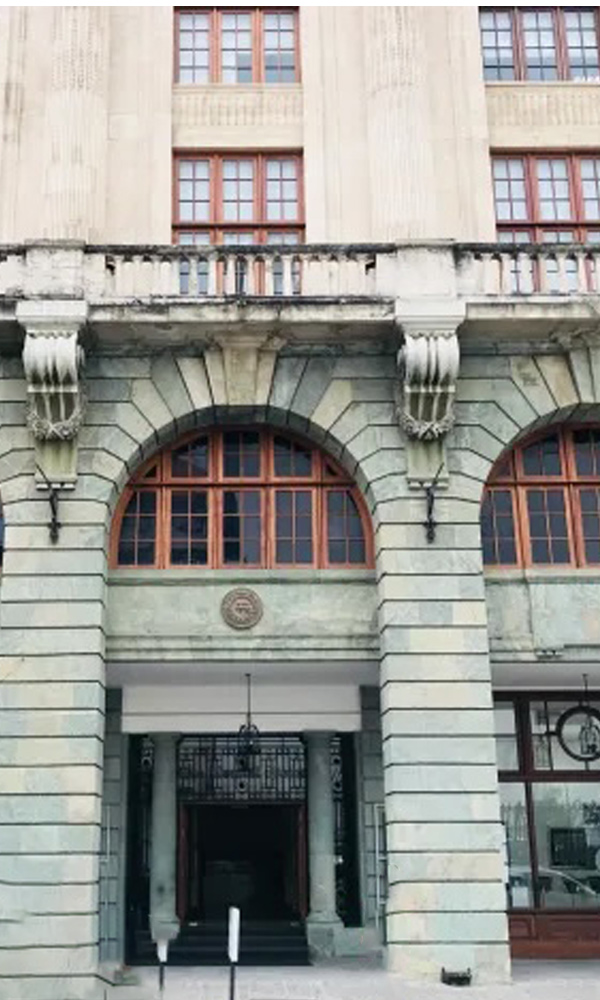
As we walked through the doors of the imposing newly renovated old colonial building where the Currency Museum was located the massive chandelier hanging from the dome-like ceiling and the imposing marble staircase took me by surprise. But this was nothing compared to the awe I felt when I entered the Museum itself. It was fabulous and of very high international standard.
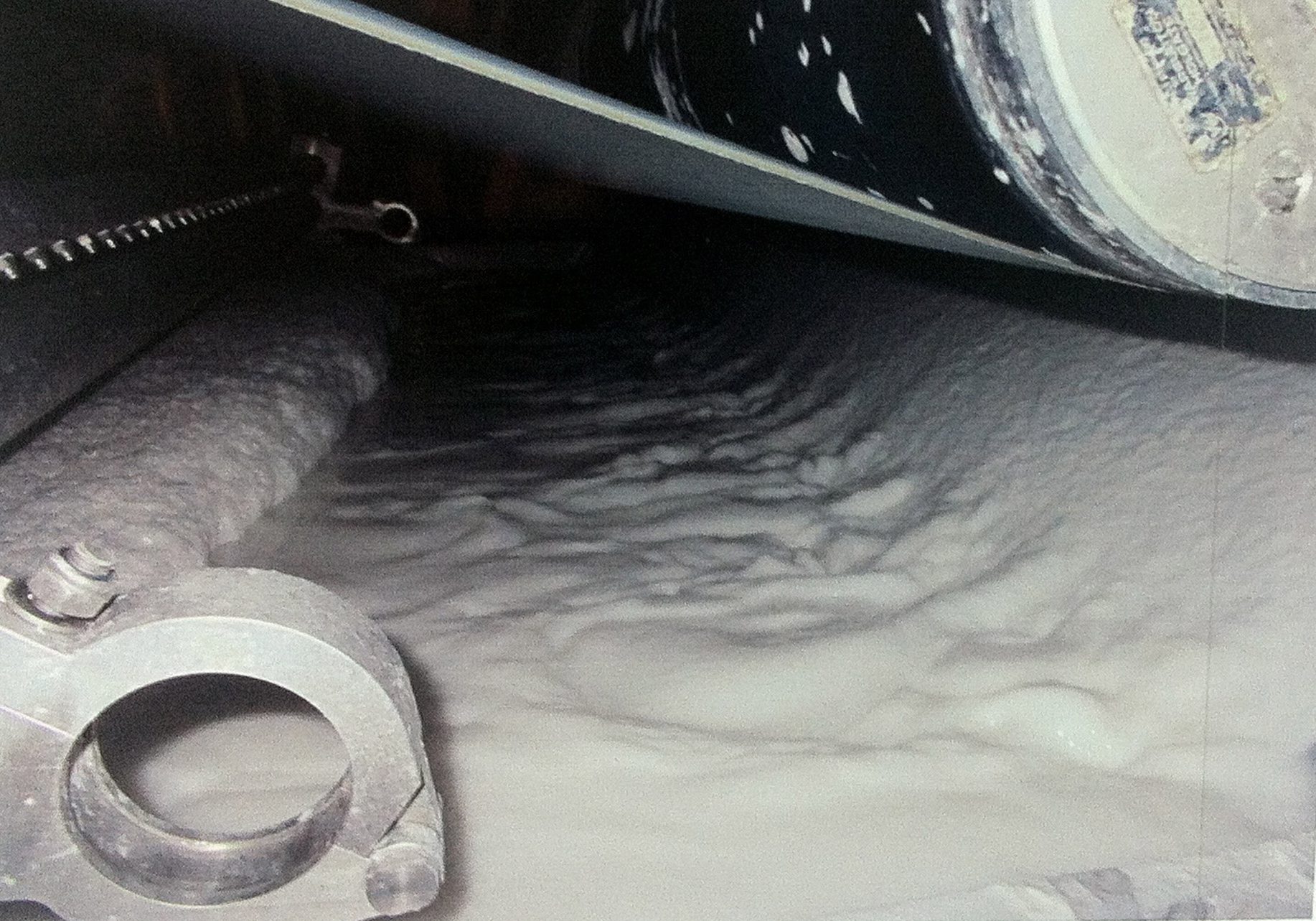
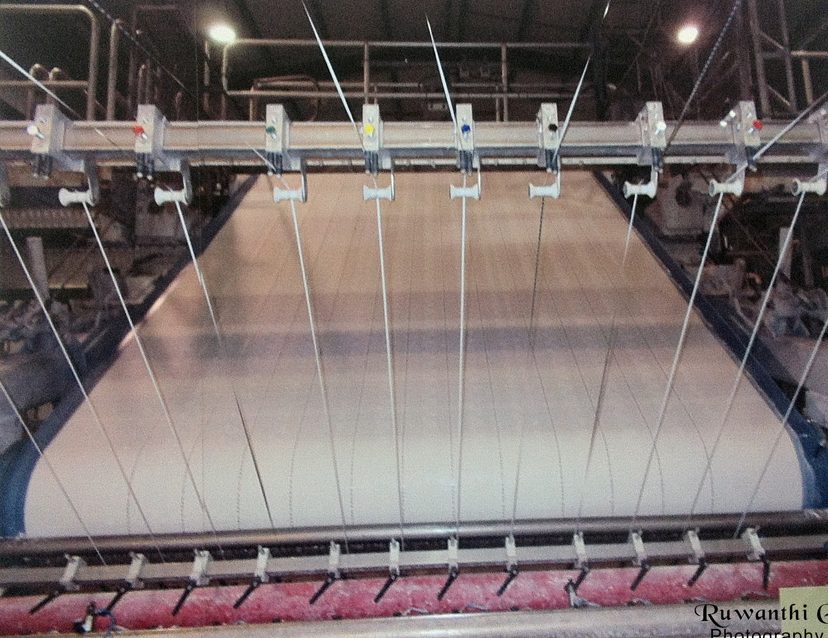
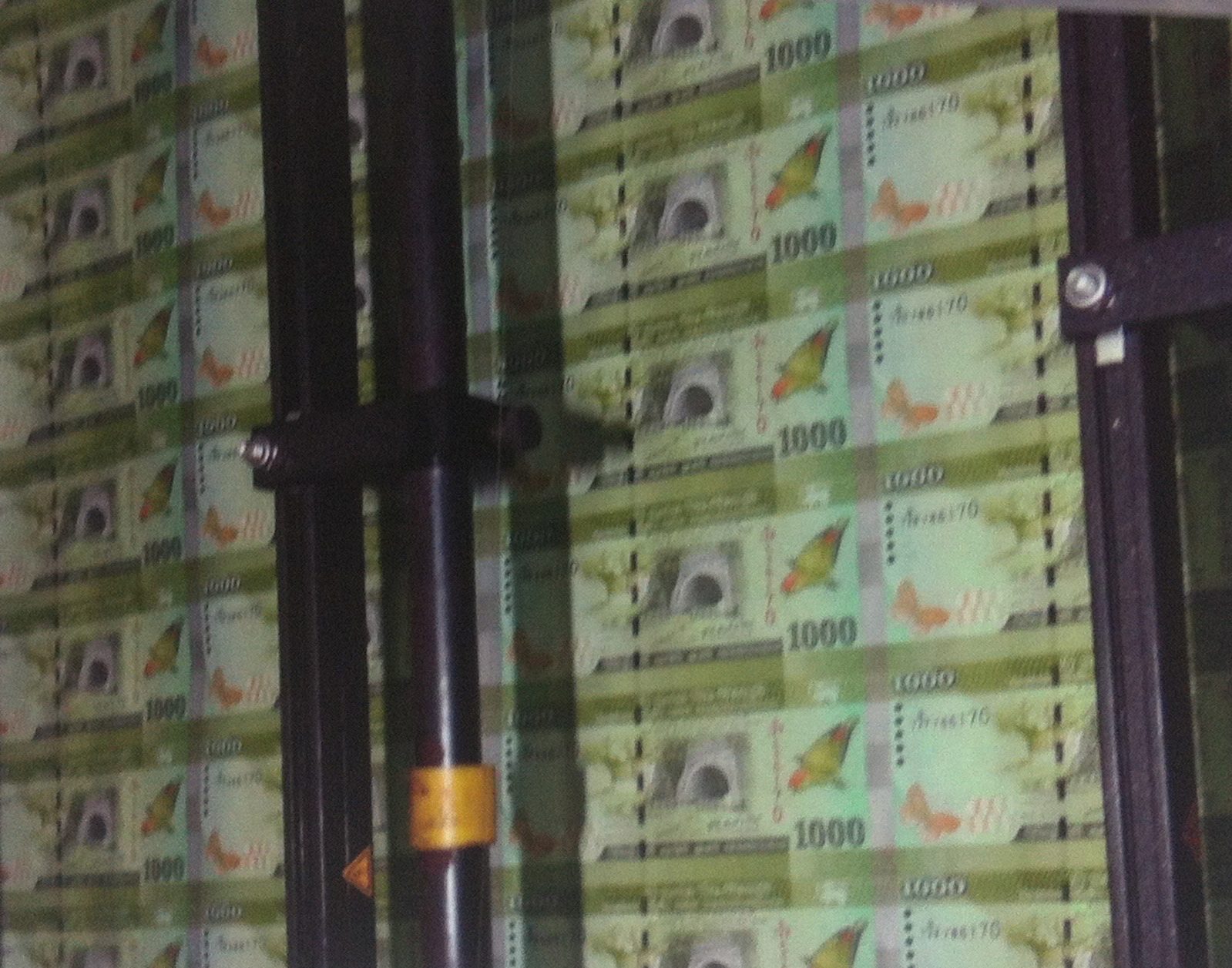
A very interesting video (as well as a display) on how currency notes are made and printed can be seen. Starting from the pulping of the cotton waste from the textile industry to the adding of the security thread, to printing and embossing of the note to its final production and packing for distribution. It was a fascinating process. We use currency notes every day but do we ever stop to think how it was made?
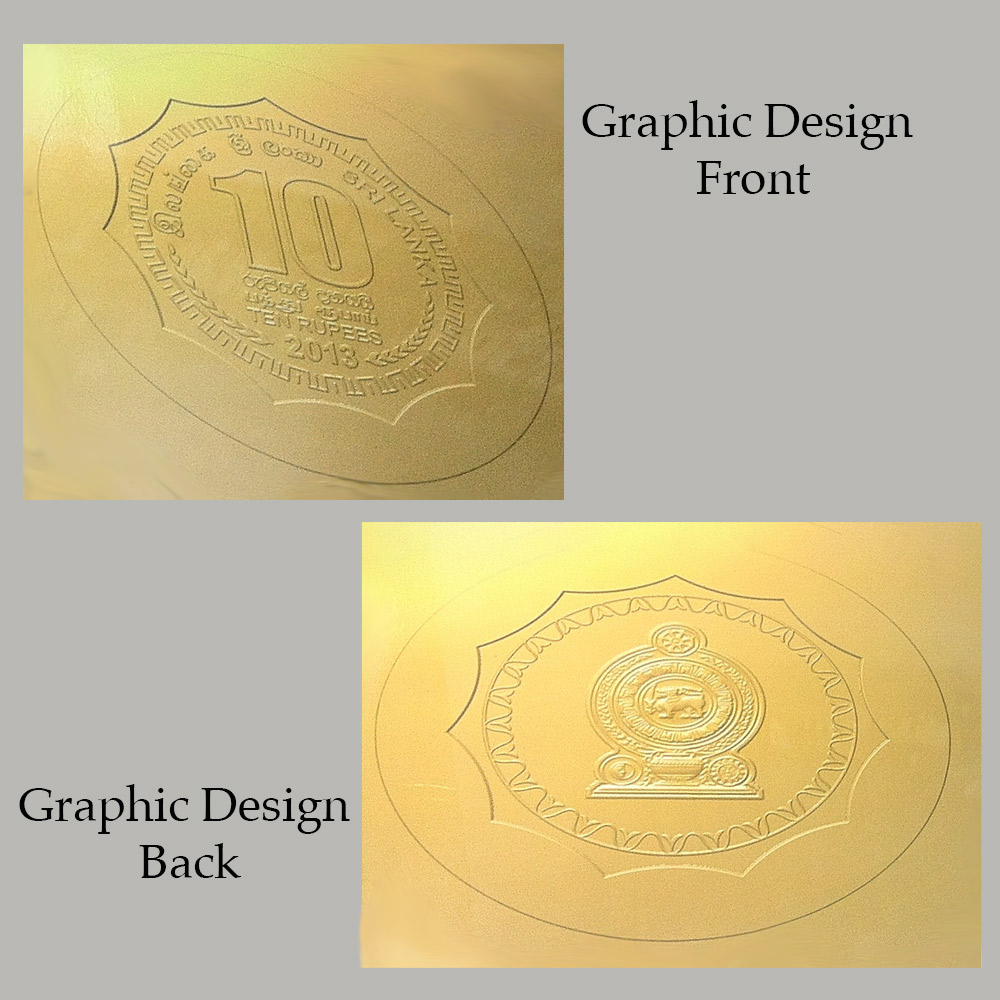
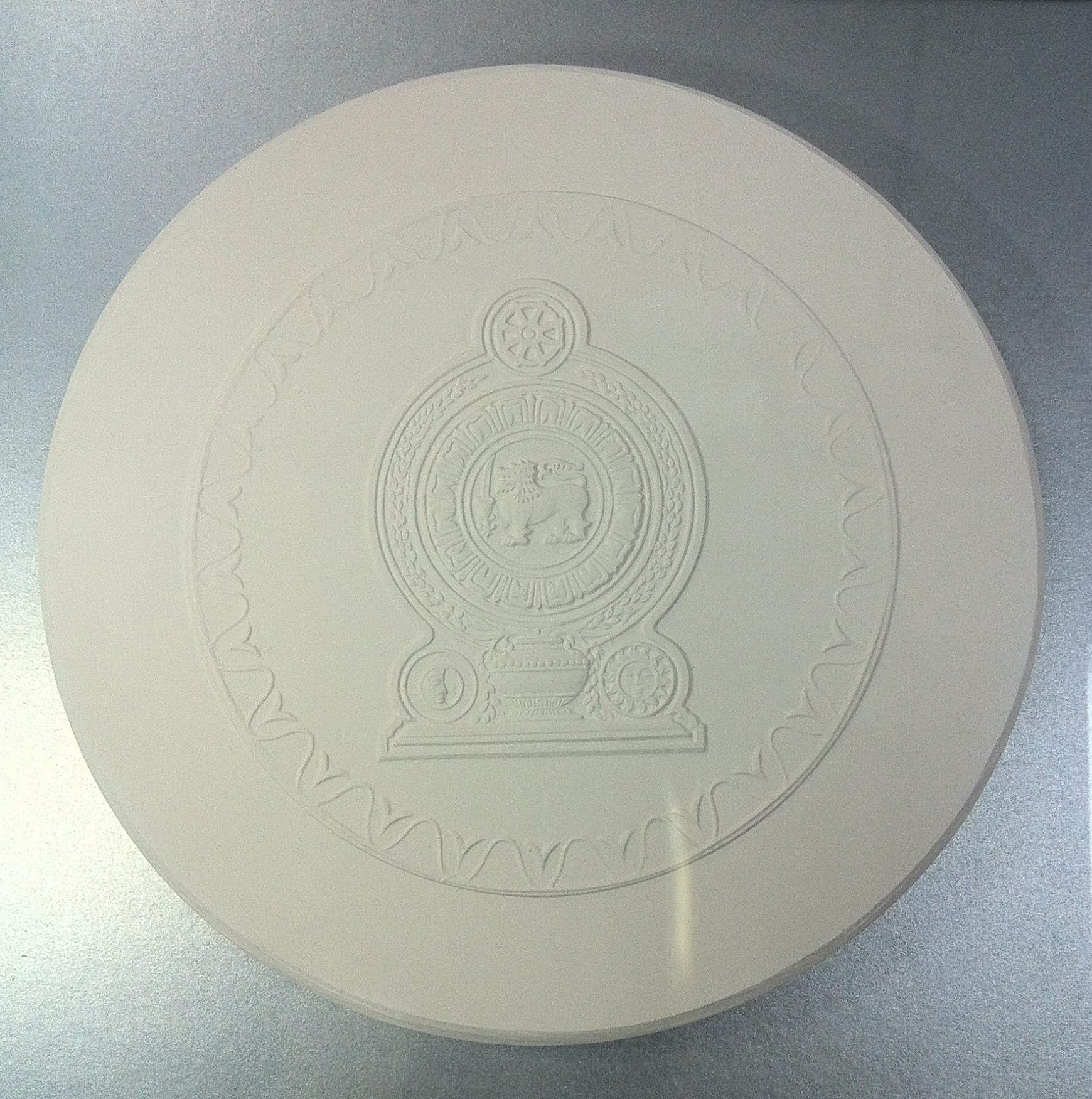
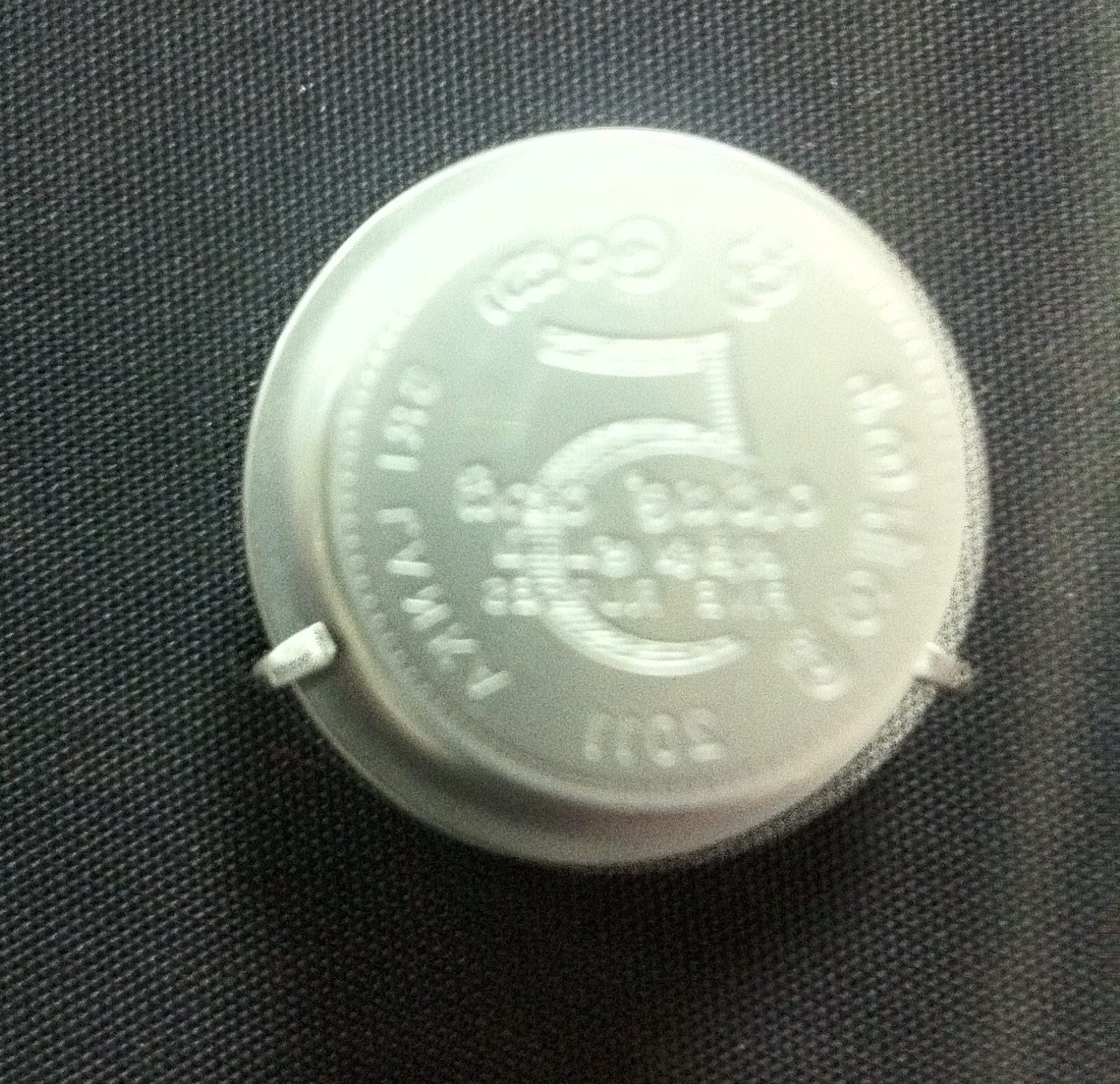
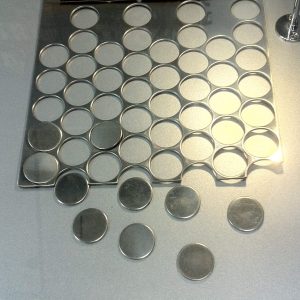
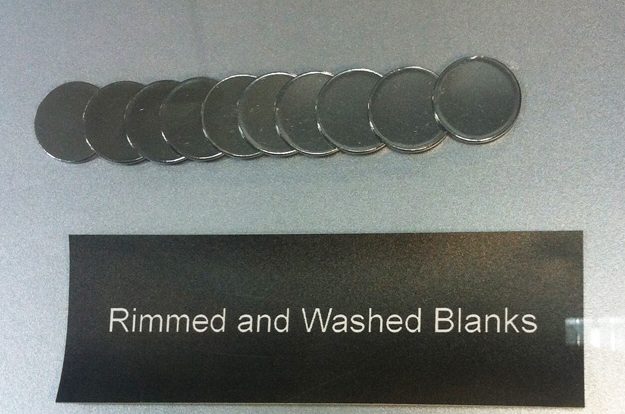
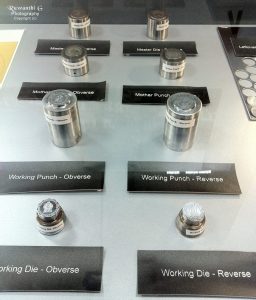
What was also interesting was the manner in which coins were made. How it begins its life as a drawing and then it is carved into a plaster mold which in turn is transferred onto a steel tool which is handcrafted with such care and detail. You can see the cutting of the punched blanks from stainless steel sheets onto which the design of the coin is embossed and then ready to use.

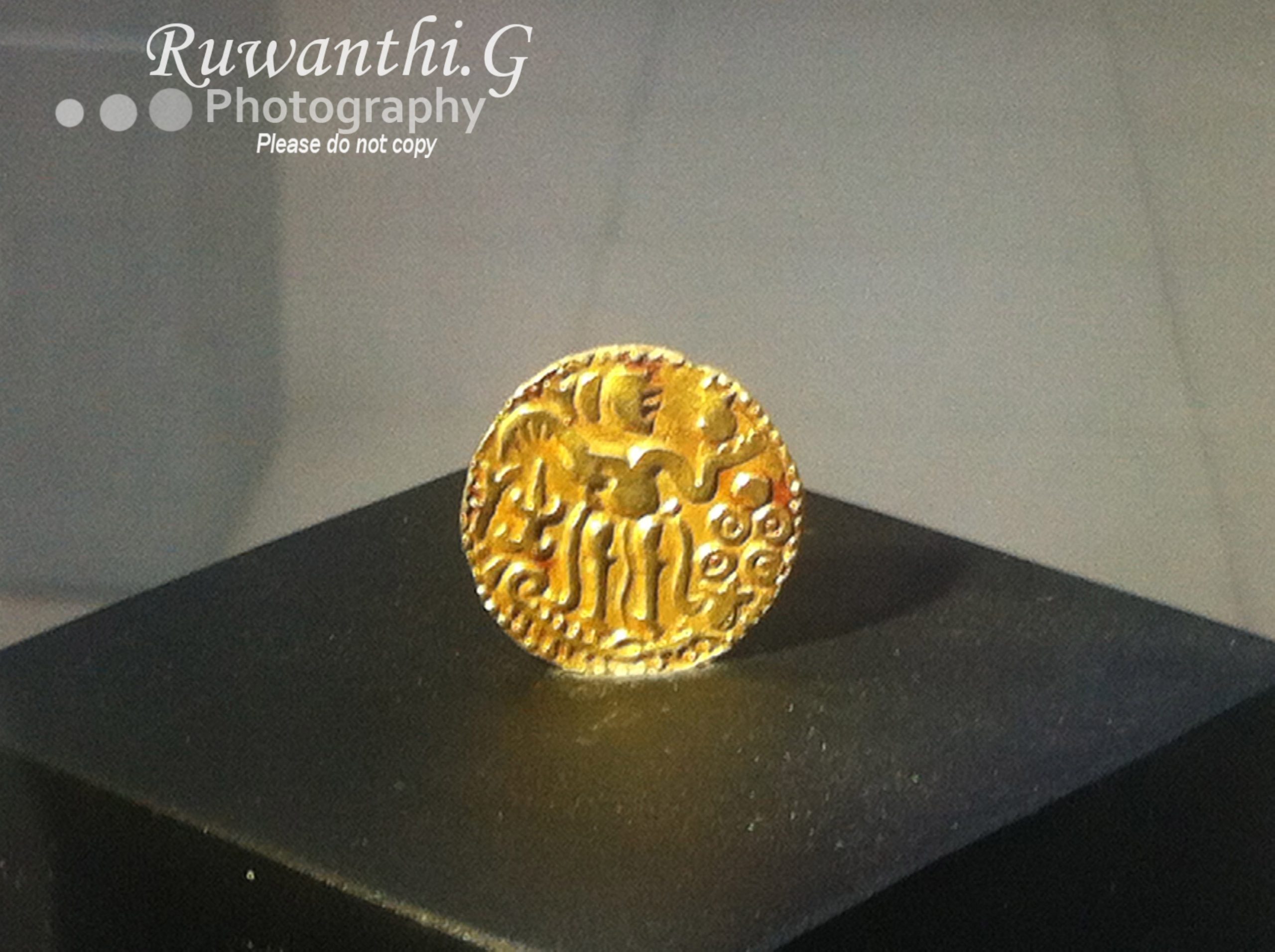
There were large displays giving the history of the coins and the story behind them, with a beautiful display of actual coins beneath them makes it very interesting.
From the very first coin, the “Kahapana” dating back to the 3 rd Century BC and is the earliest known unit of currency which was also known as “Puranas”, to today’s coins were on display. The currency is beautifully classified into the Medieval Period, Colonial Period, British Period, and Post Independence period.
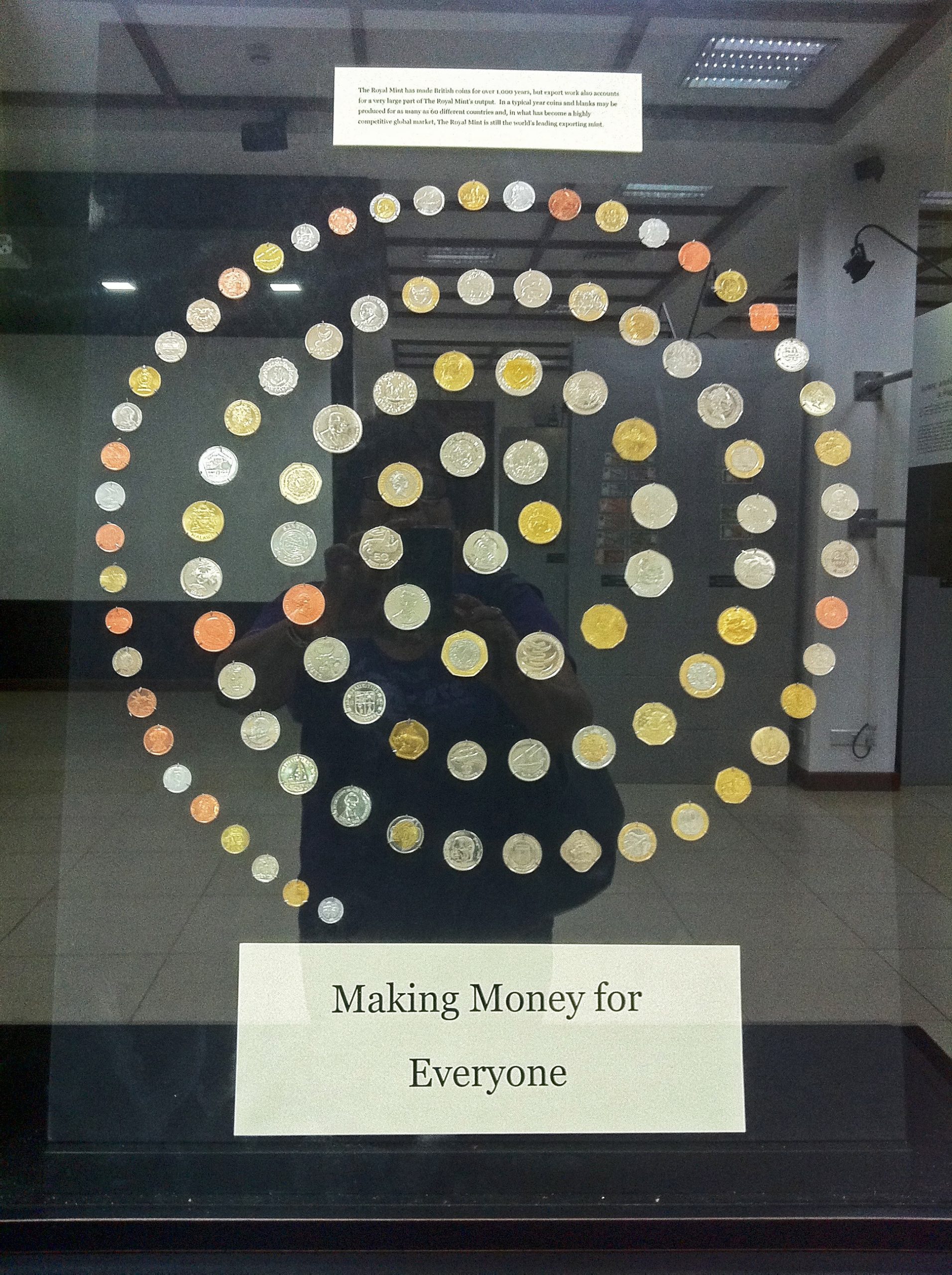
Interesting details on the currency with drawings are hung above the displays. The “Purana” coin is made of silver and the early coins were rectangular in shape. It is said that they were made of flattened silver poles cut into strips. It later developed into a round coin. The purity and weight of the coin were certified by the government by placing its emblem on it. The owners of some of these coins had inscribed their marks on them for identification and therefore coins with many different marks were found in circulation. These coins also had a blank flipside.
During the 3 rd Century BC to around 8 th Century AD many coins were minted with the Goddess Lakshmi standing on a lotus flower with two elephants bearing pots of water on their trunks and pouring water on her. During King Vijayabahu I coins were issued with the issuing Kings name imprinted on it. The inscription was in “Nagari” script.
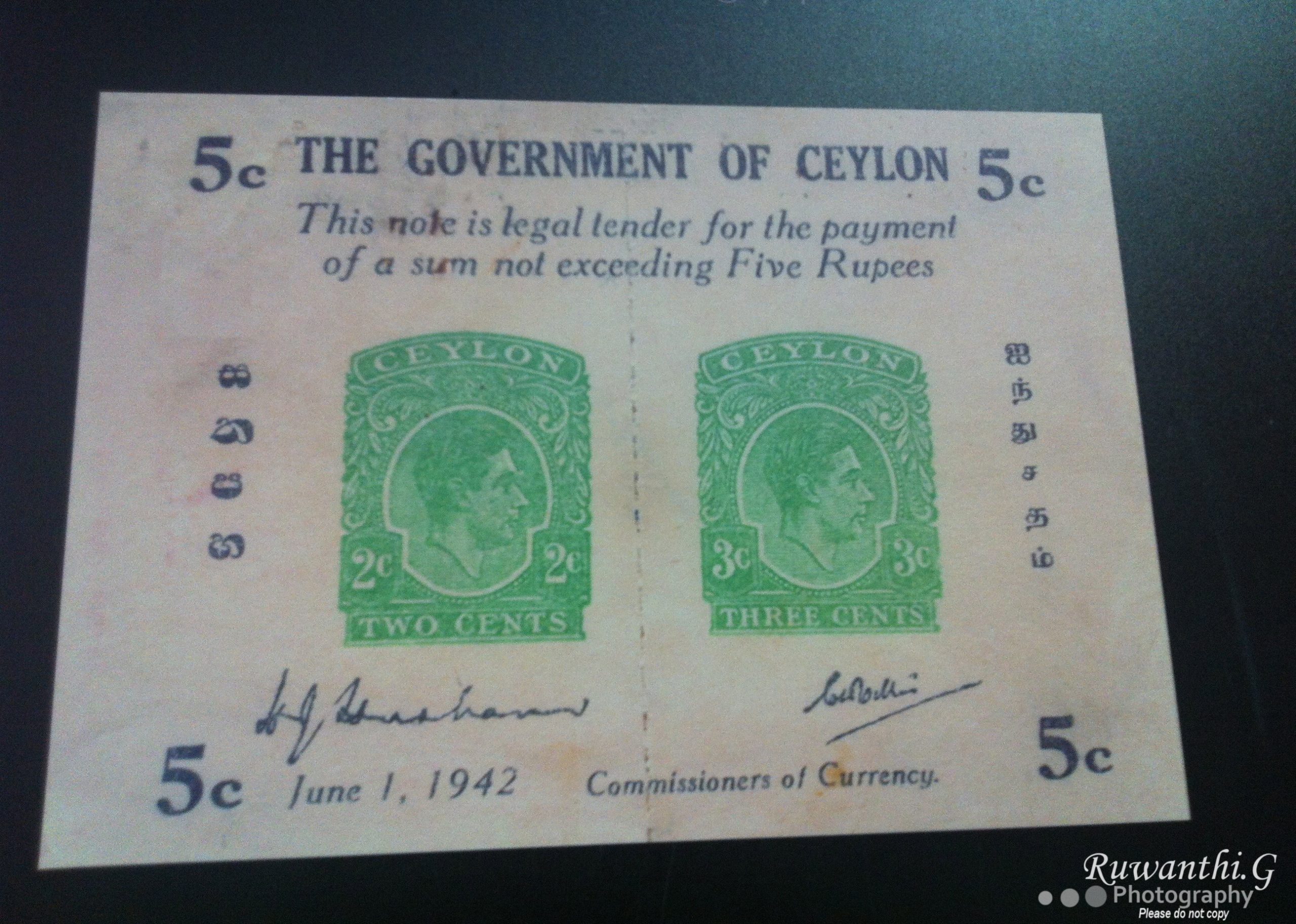
My son was simply fascinated by the first and only two pieces tear-off note issued in 1940 in place of 3 cents and 2 cents coins. At the time, a shortage of coins had resulted in this currency note being issued. It was the very first time I had heard of or seen such a currency note.
We really learnt so much. It was fascinating to see the old coins we have much read about but never seen. Many folk stories speak of money in terms of “Masurang” made of pure gold, it was exciting to see this actual coin. Later due to the unavailability of gold, a copper coin called the “Kahavanu” was used, this too was on display.

In the 18 th Century during the Dutch period, the Dutch minted coins to be used only in Sri Lanka. The first mint was opened in 1781 near Kaymans Gate in Colombo and the “One Thuttus” and “Two Thuttus” coins were minted here. It was a flat rectangular-shaped coin. Later a coin 3 inches long and ¾ inches wide and valued at 4 ¾ Tuttus was minted. In these coins at one end was the imprint “ 4 ¾ ST” and on the other end was the imprint “VOC” with the letter “C” on it to denote that it was minted in Colombo.
Later on, mints were opened in Galle, Jaffna, and Trincomalee where the One and Two Thuttu coins were minted. The coins minted in Jaffna were valued in terms of “Panam”. Therefore, the two thuttu coin had the first letter of the word “Panam” imprinted on it with the denomination ½ on it. And the one thuttu coin had the ¼ imprinted on it. In the Galle mint the letter in Sinhala was imprinted on it.
The process of minting currency notes
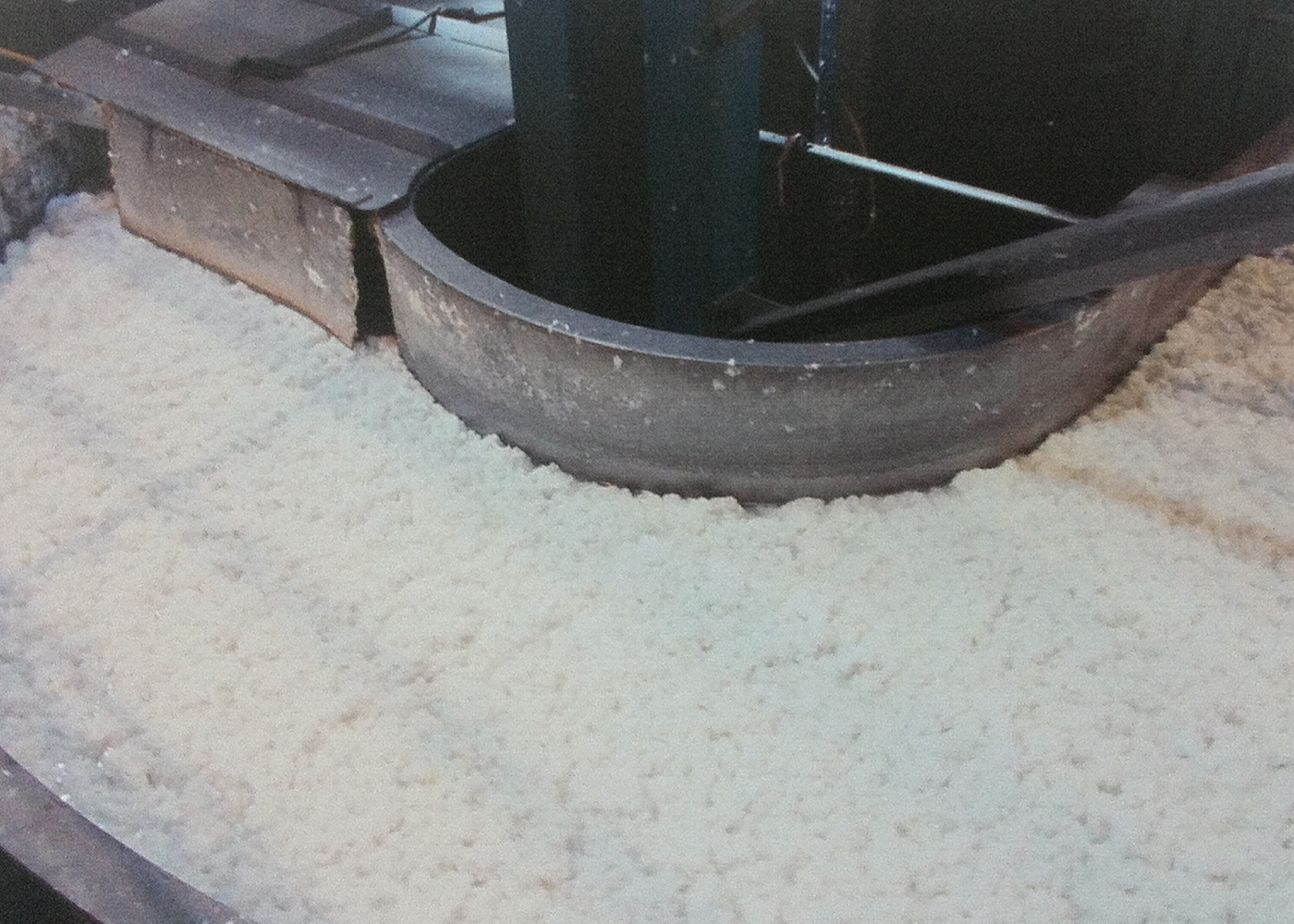
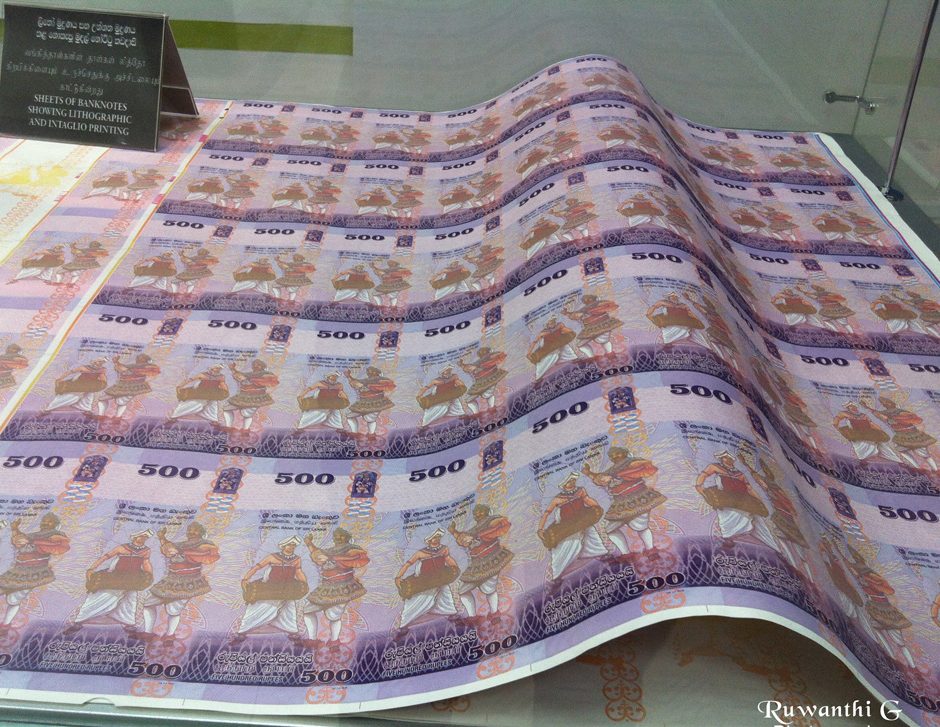
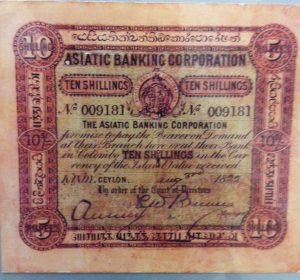
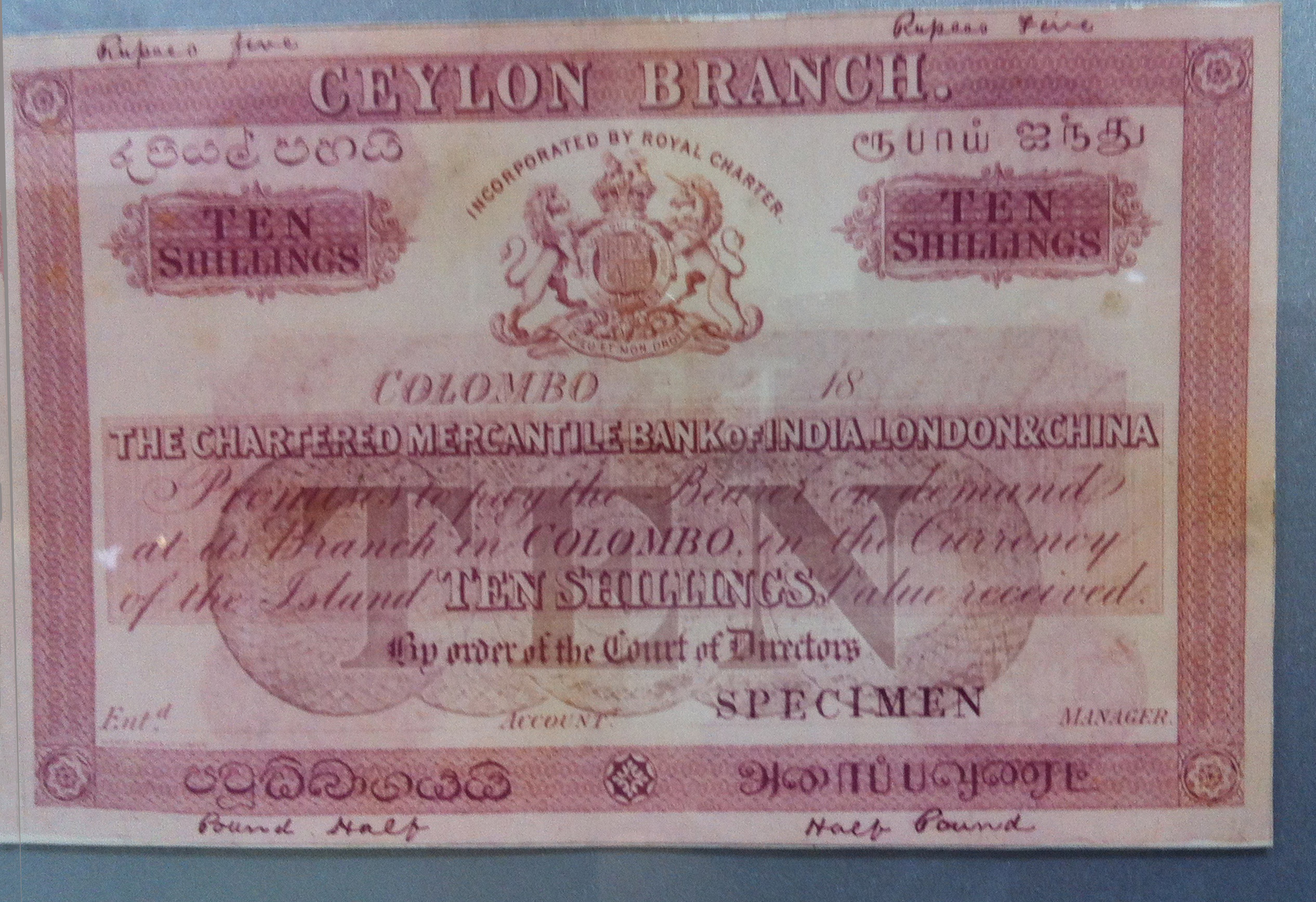
After the Central Bank was established, the first currency note was issued in 1951 with the print of George the VI of Great Britain. Issued together with our ancient monuments printed on them. Although initially a few private banks were allowed to issue currency notes due to the collapse of this system currency notes were only issued by the Central Bank.
Process of minting coins